How Parents Can Support a Child with an Eating Disorder at Mealtime
Mealtimes can feel overwhelming for families navigating a child’s eating disorder. What was once routine may now be filled with anxiety, resistance, or conflict.
As difficult as this can be, parents play a powerful role in supporting recovery—especially during meals.
With the right tools and mindset, mealtimes can become an opportunity for healing, connection, and nourishment.

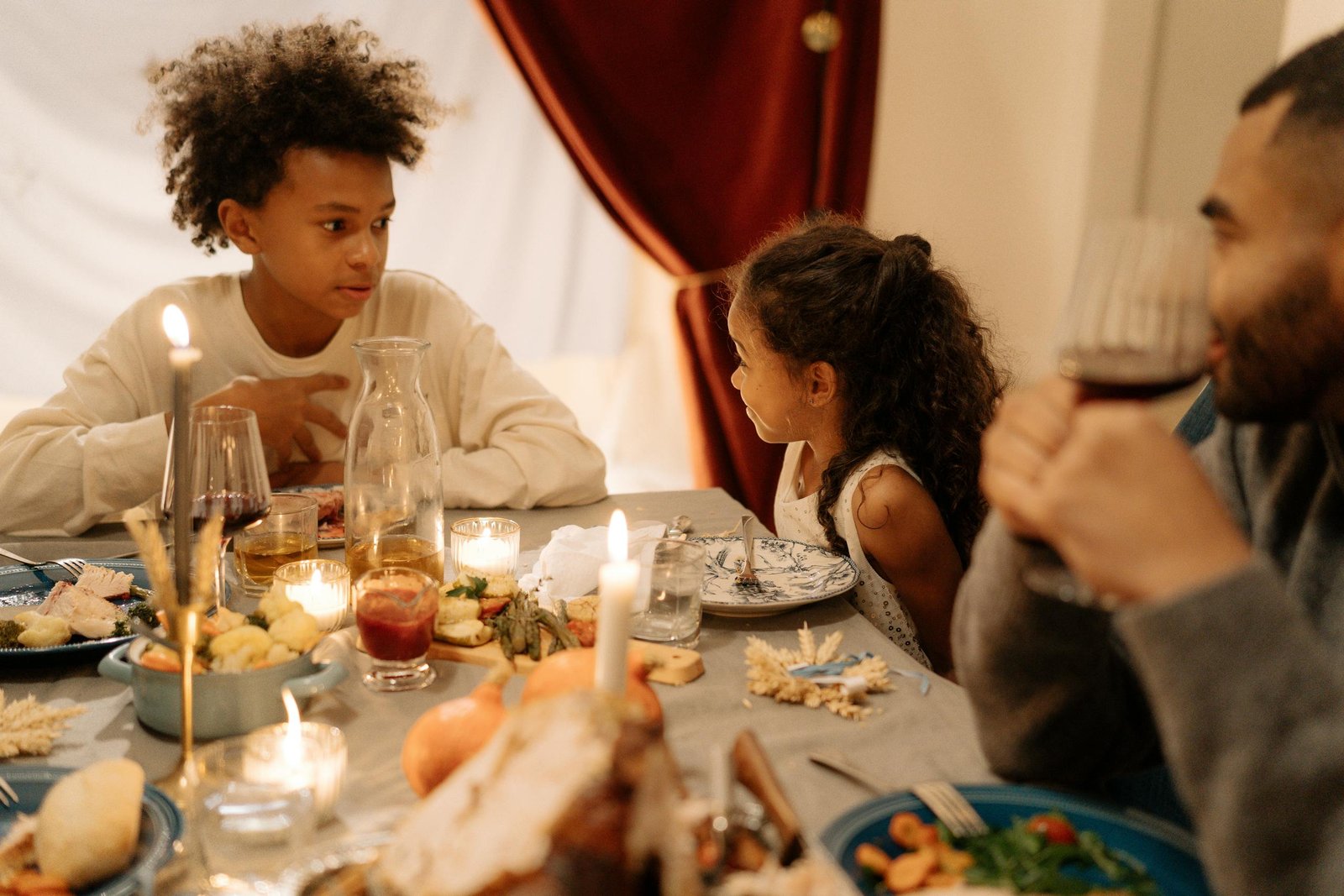
Create a Calm and Predictable Mealtime Environment
Children with eating disorders often experience heightened anxiety around food. Establishing structure and consistency can help reduce uncertainty. Here are some tips:
- Serve meals at regular, predictable times
- Limit distractions (e.g., phones, TV, video games)
- Keep the environment calm and neutral
- Avoid surprises in meals whenever possible
Consistency builds trust and helps your child feel safer approaching meals

Take a Supportive, but Firm Approach
Parents are not just observers in recovery; they are active participants. A supportive yet firm approach communicates both care and expectation.
- Offer encouragement without pressure or coercion
- Use neutral, non-judgmental language
- Set clear expectations that meals will be completed
- Avoid negotiating portion sizes or substitutions
This balance helps reinforce that eating is not optional, while still honoring your child’s emotional experience

Separate the Child from the Eating Disorder
It can help to view the eating disorder as something separate from your child. This perspective reduces blame and helps guide your response.
- Validate your child’s feelings (“I can see this is hard”)
- Challenge the eating disorder behaviors (“But your body still needs this food”)
- Avoid labeling your child as “difficult” or “defiant”
This approach fosters compassion while still holding boundaries

Model Positive Eating Behaviors
Children learn from what they see. Modeling a balanced, flexible relationship with food can support recovery.
- Eat the same or similar foods together as a family
- Avoid dieting language or negative body talk
- Demonstrate regular eating patterns
Your behavior can quietly reinforce that food is safe and necessary

Manage Mealtime Distress
It is common for children to feel anxious, tearful, or even angry during meals. Your response can either escalate or soothe the situation.
- Stay calm, even if your child becomes upset
- Offer simple reassurance rather than long explanations
- Use grounding techniques (deep breathing, gentle reminders)
- Avoid arguing or engaging in power struggles
Remember: distress is part of the illness, not a sign of failure

Avoid Food as Reward or Punishment
Linking food to behavior can reinforce disordered thinking.
- Do not reward eating with treats or privileges
- Avoid punishment for struggling at meals
- Focus on nourishment as a non-negotiable need
Food is medicine during recovery—not a bargaining tool

Work as a Team with Professionals
You do not have to navigate this alone. Dietitians, therapists, and medical providers are key partners.
- Follow the meal plan provided by your child’s dietitian
- Communicate regularly with the care team
- Seek guidance when challenges arise
Family-based approaches are often the most effective in pediatric eating disorder recovery

Last but not Least…Take Care of Yourself
Supporting a child through an eating disorder is emotionally taxing. Your well-being matters.
- Seek support from therapists or parent groups
- Take breaks when possible
- Practice self-compassion
You are doing important, difficult work—and you deserve support as well
Final Thoughts
Mealtimes during eating disorder recovery can be one of the hardest parts of the journey—but also one of the most impactful. With consistency, compassion, and guidance, parents can help restore not only their child’s nutrition, but also a sense of safety and trust around food.
Recovery doesn’t happen overnight, but every supported meal is a step forward.
If you are a parent supporting a child with an eating disorder, consider reaching out to a registered dietitian or specialized treatment team for individualized support.
References
Some links are affiliate links. As an Amazon Associate, I earn from qualifying purchases at no additional cost to you. These recommendations are shared for educational purposes and align with my professional values as a registered dietitian.
- Lock, J., & Le Grange, D. (2025). Treatment Manual for Anorexia Nervosa: A Family-Based Approach (2nd ed.). Guilford Press.
- American Academy of Pediatrics. (2021). Identification and Management of Eating Disorders in Children and Adolescents. Pediatrics, 147(1), e2020040279.
- Academy for Eating Disorders (AED). (2021). Eating Disorders: A Guide to Medical Care
- National Institute for Health and Care Excellence (NICE). (2017). Eating disorders: recognition and treatment (NG69).
- Treasure, J., Smith, G., & Crane, A. (2016). Skills-based Learning for Caring for a Loved One with an Eating Disorder: The New Maudsley Method. Routledge.